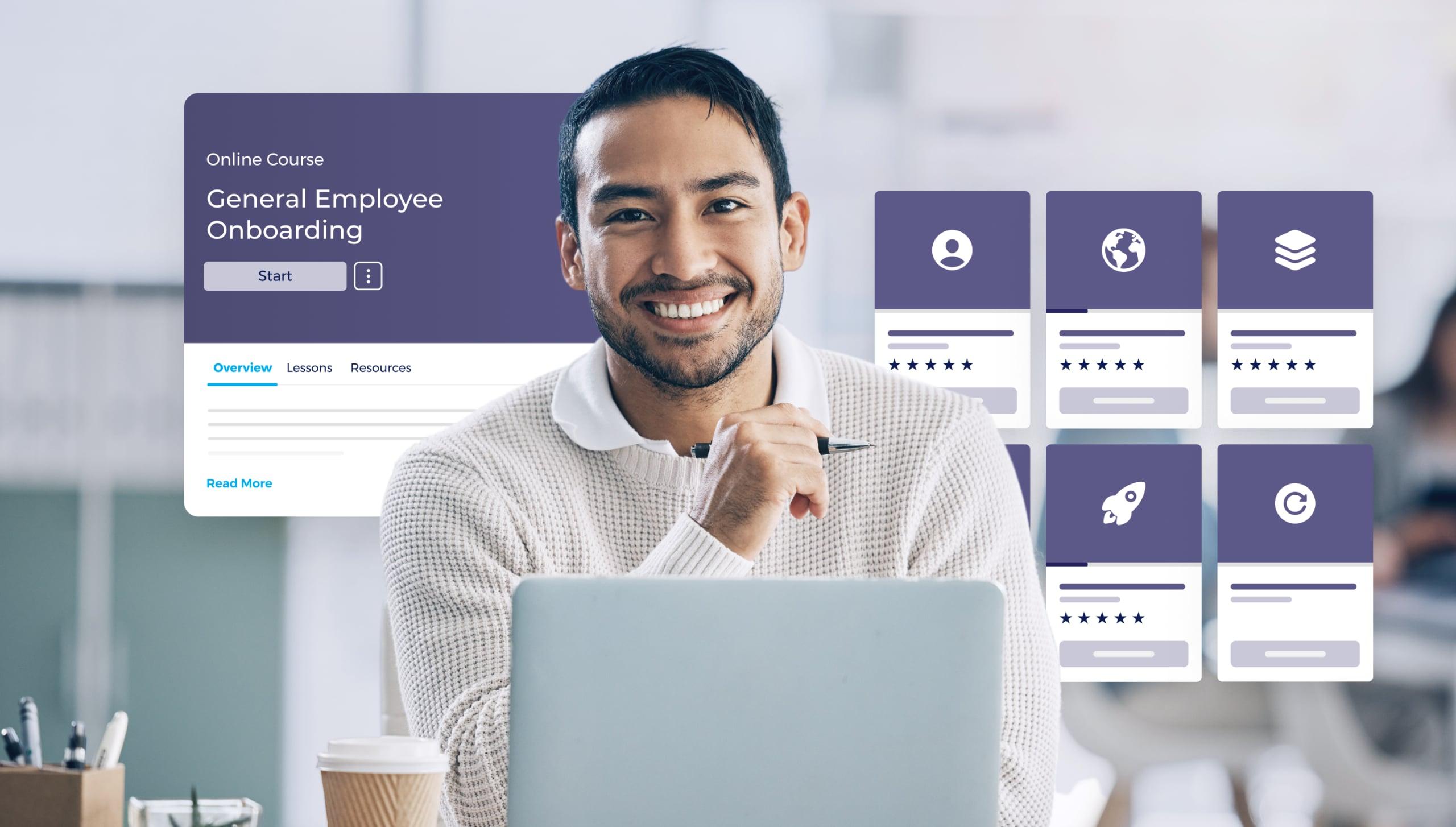
How e-Learning for Employee Onboarding Reduces HR Workload
On their first day at work, new employees need to learn many things, from company history and internal policies to using workplace systems and understanding organizational procedures.
For HR teams responsible for onboarding multiple employees, explaining the same information repeatedly can take considerable time, especially in organizations with frequent hiring or multiple office locations.
Introducing e-Learning into the employee onboarding process can help simplify new employee orientation without requiring every onboarding activity to move online.
What Is e-Learning for Employee Onboarding?
e-Learning refers to learning through digital materials such as videos, online courses, and assessments.
Organizations can use e-Learning to deliver essential information that every new employee needs to understand, including company policies, organizational culture, work procedures, and information security guidelines.
Once these materials have been developed into online courses, new employees can complete them in a structured sequence.
This reduces the need for HR teams to repeat all basic explanations whenever someone joins the company.
However, certain onboarding activities, such as team introductions, hands-on training with specialized tools, and discussions about actual job responsibilities, still benefit from direct human interaction and guidance.
3 Ways e-Learning Makes Employee Onboarding Easier for HR
1. Reduce Repetitive Training Tasks
Information that all new employees must learn can be prepared in advance as videos or online learning modules.
When a new employee joins the organization, HR can assign the appropriate onboarding courses instead of scheduling separate sessions to explain the same information repeatedly.
This allows HR teams to spend more time supporting employees in areas that require individual attention.
2. Support Self-Paced Learning
Different employees may need different amounts of time to understand new information.
Online learning materials allow employees to review lessons at their own pace, subject to the organization's learning access policies.
This is particularly useful for topics that require careful understanding, such as leave policies, internal approval procedures, or workplace regulations.
By providing accessible learning materials, organizations can support employees who may need additional time to review important information.
3. Simplify Training Progress Tracking
When e-Learning is delivered through a Learning Management System (LMS), administrators may be able to monitor course completion and assessment results, depending on the system's capabilities.
HR teams can identify which new employees have completed their assigned courses and which topics require additional follow-up.
This provides a more organized way to manage onboarding activities, particularly when employees join at different times or locations.
Which Onboarding Courses Should Organizations Develop First?
Organizations do not need to create a large collection of online courses from the beginning.
A practical approach is to start with topics that every employee needs to understand and that HR teams frequently explain.
Examples include company introductions, internal policies, and workplace safety procedures.
Once these foundational courses are available, organizations can gradually introduce role-specific or department-specific training.
Learning materials should be divided into manageable sections, use examples from real workplace situations, and include short questions to check understanding.
Simply uploading large documents and expecting employees to read everything independently may not provide an effective onboarding experience.
Plan an Onboarding Program That Fits Your Organization
An effective onboarding program should help new employees understand both the organization and their individual responsibilities.
e-Learning can provide a structured way to deliver essential information consistently, while HR teams and supervisors continue to play an important role in answering questions, offering guidance, and helping employees adapt to their actual work environment.
Verztec provides corporate e-Learning design and development services for organizations looking to create employee onboarding courses tailored to their content and operational requirements.
Contact Verztec to discuss the development of e-Learning courses for your employee onboarding program.