How to Choose the Right LMS for Your Business
As companies grow and hire more employees, ensuring that everyone receives accurate and consistent training can become increasingly challenging, especially for organizations with multiple departments, branches, or employees working across different locations.
HR teams may spend considerable time scheduling training sessions, distributing materials, and tracking employee course completion.
A Learning Management System (LMS) can help organizations streamline training administration. However, before selecting a platform, it is important to evaluate whether the system aligns with your organization's actual workflows and business requirements.
How Does an LMS Help Manage Employee Training?
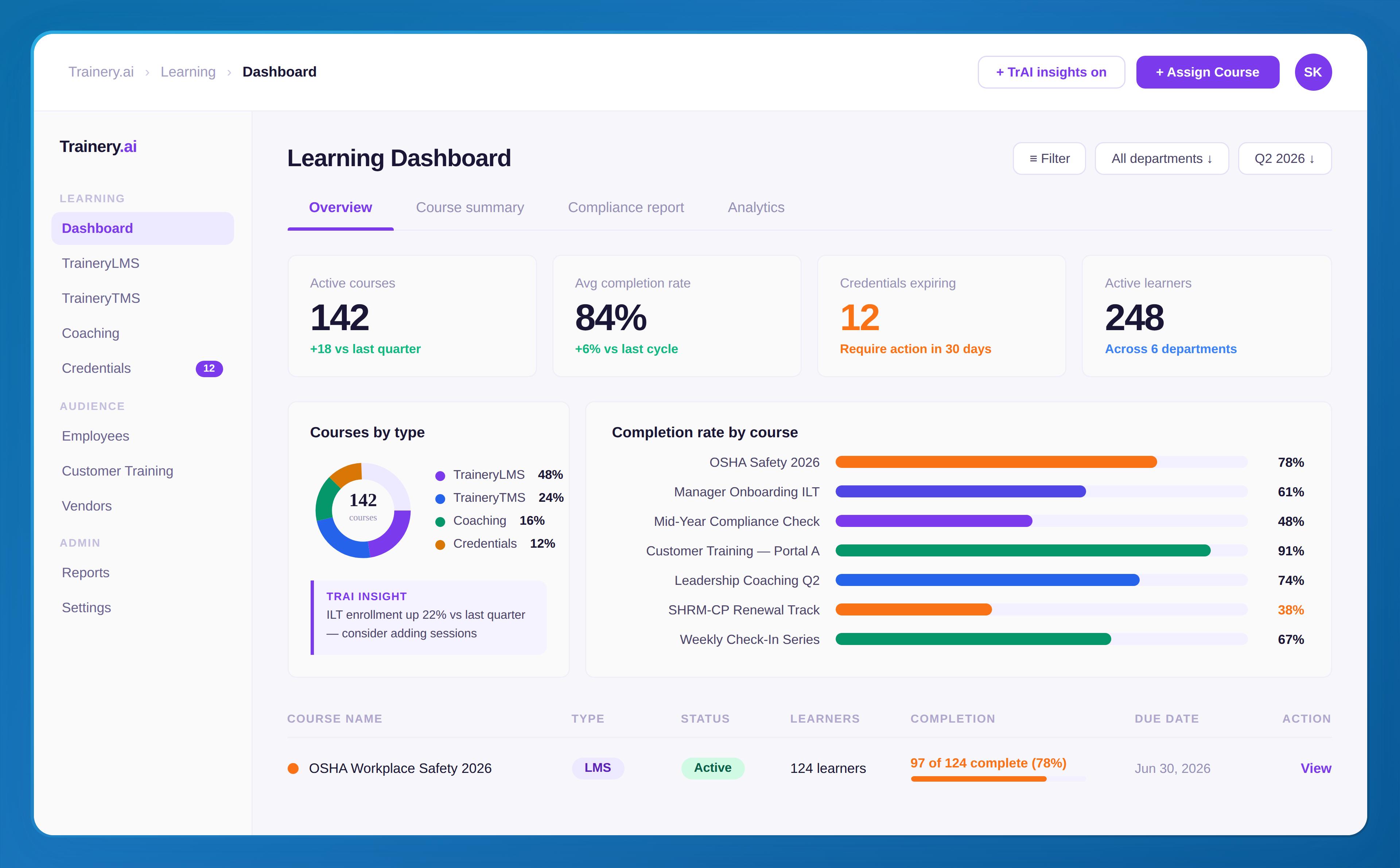
LMS stands for Learning Management System, a platform designed to help organizations manage training courses, assign learning activities, and track employee progress in one centralized environment.
For example, companies can use an LMS for employee onboarding, internal policy training, compliance courses, and professional skill development.
Employees can access training through supported devices, while HR teams can monitor course completion and assessment results without manually collecting information from multiple sources.
4 Key Factors to Consider When Choosing an LMS
1. Identify the Problems Your Organization Needs to Solve
Before comparing systems based on the number of features they offer, identify the challenges your organization currently faces.
For example, if HR teams spend significant time following up with employees who have not completed their training, a system with progress tracking and reporting capabilities may be a priority.
If your company provides training for international employees, multilingual support and learner management may be equally important.
2. Check Compatibility with Your Existing Learning Content
Some organizations primarily deliver video-based training, while others use interactive courses, assessments, or SCORM packages.
Before selecting an LMS, make sure it supports your existing learning materials and the content formats you may want to introduce in the future.
3. Evaluate Reporting and Tracking Capabilities
Information such as course completion status, assessment scores, and learning outcomes can provide HR teams with a clearer overview of employee training.
However, reporting capabilities vary between platforms. Organizations should confirm that the LMS can generate the specific reports required for their training operations.
4. Consider the Total Cost of Ownership
Beyond the initial system price, organizations should evaluate implementation costs, customization, course development, system maintenance, and user training.
The true cost of an LMS extends beyond the initial purchase or subscription. Understanding long-term expenses helps organizations select a solution that fits both current and future budgets.
Choose an LMS That Can Grow with Your Organization
There is no single LMS solution that is suitable for every company.
A business introducing online training for the first time may have different requirements from a multinational organization managing large numbers of learners and multilingual training programs.
Defining your training objectives and operational needs early in the selection process can help you identify a system that is better aligned with your business.
Planning to implement an LMS for your company? Contact Verztec to discuss your requirements and explore solutions that suit your organization's training needs.